
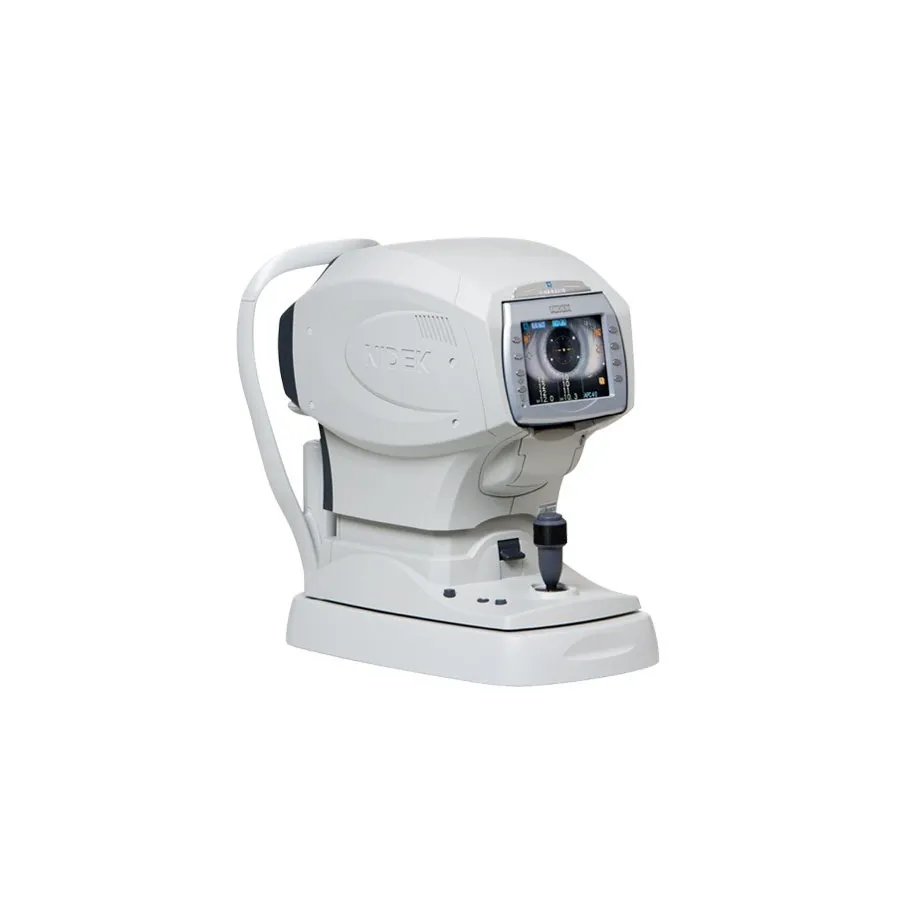
Tonoref II ARK with Tonometry
Autorefractor, keratometer and non-contact tonometer in one footprint
The Tonoref II collapses three pre-test instruments into one: autorefractor, keratometer and non-contact tonometer. For a pre-test room that is short on counter space, that is one seat and one patient move instead of two or three. Advanced automatic pressure control adjusts the air puff to the eye instead of delivering the same blast to everyone, which patients appreciate more than they will say.
What it does
- Three instruments in one: autorefractor, keratometer and non-contact tonometer
- Super Luminescent Diode source for improved image quality
- Advanced APC automatic pressure control tailors the air puff to the eye
- Accommodation measurement
- Large pupil zone imaging method
- Double mire ring keratometry
Is it right for your practice?
Best fit
Pre-test rooms with limited counter space, and practices that want to cut the number of stops in the pre-test sequence.
Why consider it
Three instruments in one footprint - autorefractor, keratometer and non-contact tonometer - is the obvious argument. The less obvious one is patient flow: every instrument you remove is a patient move, a re-seat and a re-alignment that does not happen. Advanced APC adjusts the air puff to the individual eye instead of firing a fixed blast, which patients who have had a bad NCT experience elsewhere are the ones to notice.
What to compare
A combination instrument means all three functions are out of service if the unit goes down, and for a single-lane practice that is a real consideration rather than a theoretical one. Separate instruments - an ARK-1 alongside an NT-510 - cost more and use more counter, but a failure takes out one function instead of your whole pre-test line. If you have the space, separates are the more resilient build. Also compare the air puff itself against the iCare rebound tonometers, which measure without one at all.
Ask me about
What loaner or service cover looks like if a combination unit goes down, and whether your patient population tolerates non-contact tonometry well enough to build pre-test around it.
Specifications
| Sphere | –30.00D to +25.00D (V.D. =12mm), (0.01/0.12/0.25D increments) |
|---|---|
| Cylinder | 0D to ±12D (0.01/0.12/0.25D increments) |
| Axis | 0° to 180° (1°/5° increments) |
| Minimum Measurable Pupil Diameter | 2mm |
| Chart Scenery | Chart (balloon target) |
| Radius Curvature | 5.00 to 13.00mm (0.01mm increments) |
| Corneal Refractive Power | 25.96D to 67.50D (n=1.3375), (0.01/0.12/0.25D increments) |
| Auto Track & Automatic Data Capture | X-Y-Z direction, Automatic Data Capture |
| PD Measurable Range | 30.00mm to 85.00mm (indication increments: 1mm) |
| Corneal Size (CS) | 8.1mm–14.6mm (indication increments: 0.1mm) |
| Pupil Size (PS) | 0.8mm–12.1mm (indication increments: 0.1mm) |
| Measurement Range | 1mm Hg to 60mm Hg |
| Measurement Range Settings | APC40, APC60 (APC=Automatic Puff Control) 40, 60 Standard PC p uff does not automatically adjust |
| Working Distance | 11.0mm |
| Eye Fixation | Inner Fixation Light |
| Monitor | Multi-position tilt 5.7 inch color LCD |
| Printer | Thermal line printer with automatic paper cutter |
| Power Supply | AC 100-240 V±10%, 50/60Hz |
| Power Consumption | 100VA |
| Measurements | 10.23”(W) / 18.93”(D) / 19.9”(H) |
| Mass (Approximate) | 50.7 lbs. |
| Standard Accessories | Spare printer paper, Chinrest paper, Power cord, Dust cover, Model eye |
Worth comparing
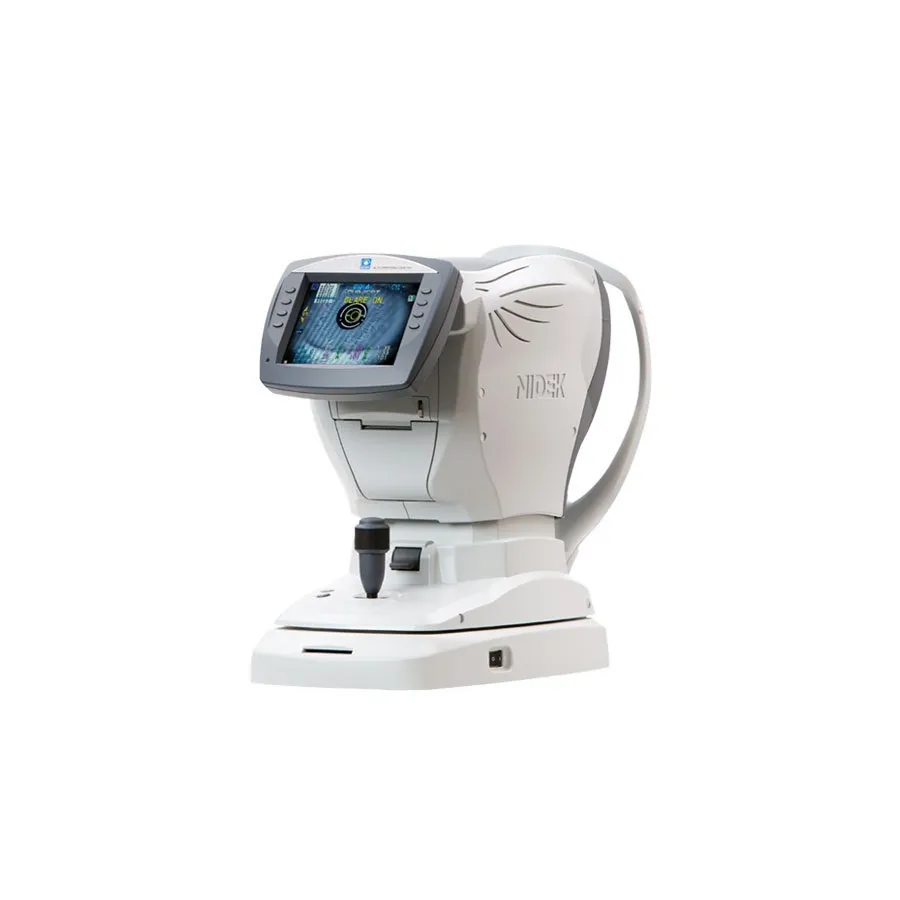
ARK-1 Series Autorefractor/Keratometers
Three tiers of autorefractor/keratometer. The 1a is built to measure through media opacities and across small and large pupils.
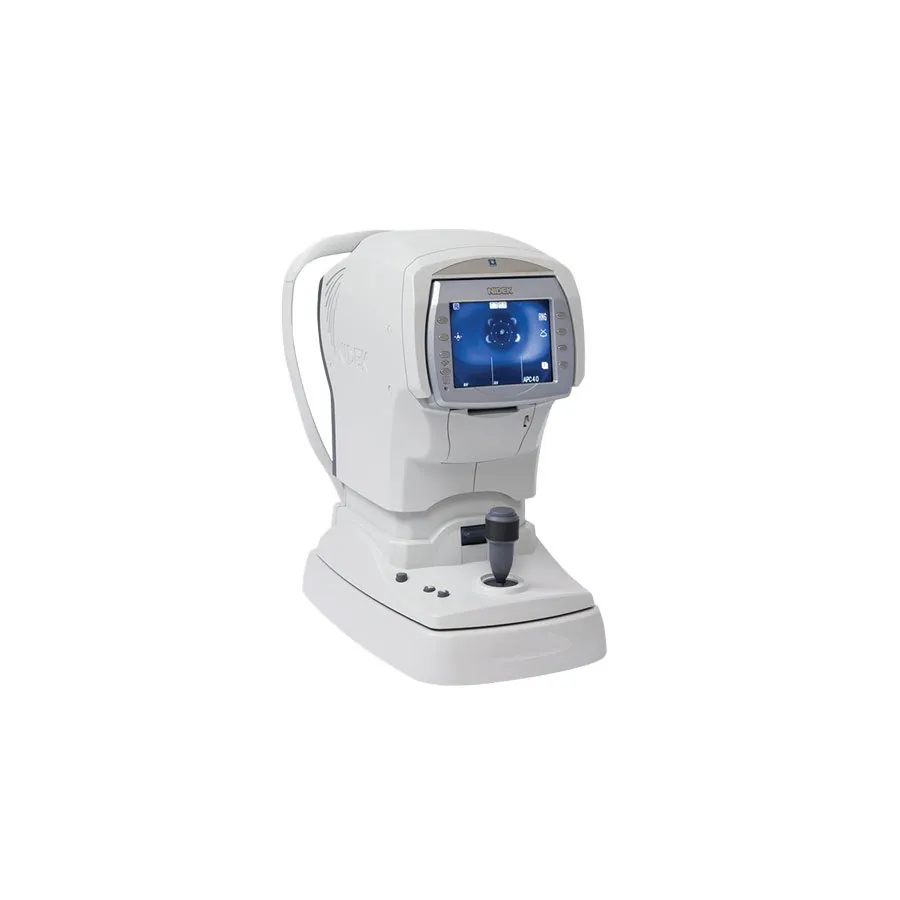
NT-510 Non-Contact Tonometer
Non-contact IOP measurement with automatic alignment, designed around patient comfort.
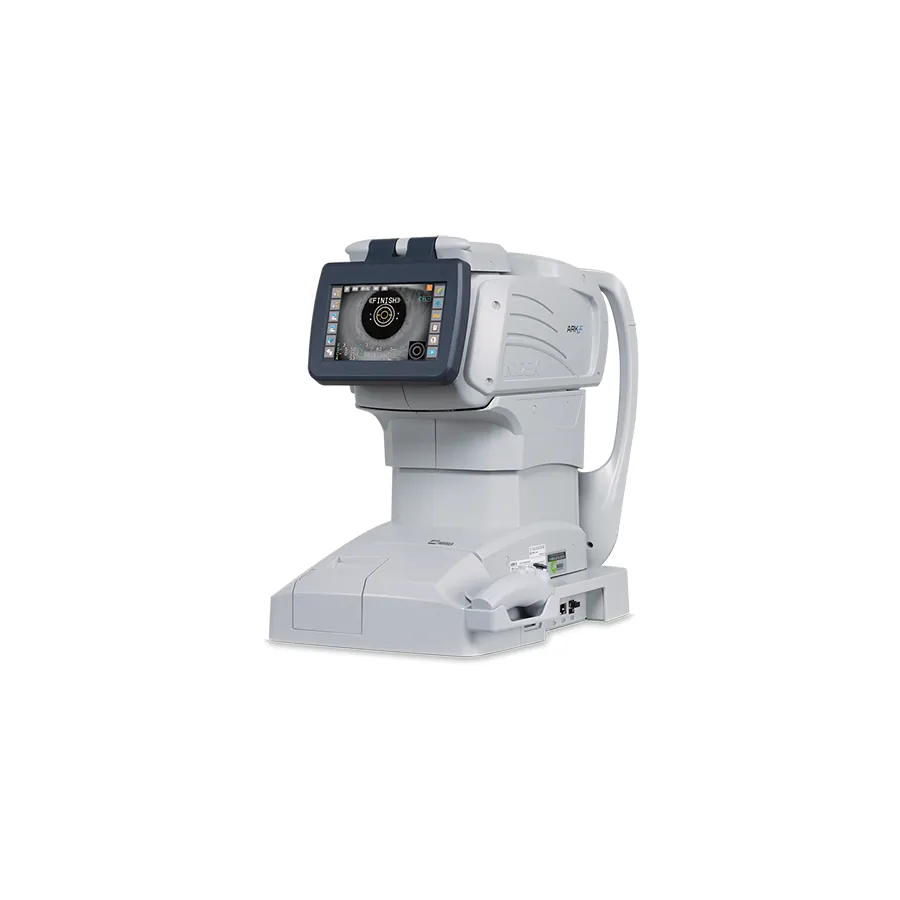
ARK-F Autorefractor/Keratometer
A fully automatic autorefractor/keratometer with voice command guidance for both staff and patient.
Specifications reviewed: 2026-09-06
Manufacturer source:
Marco: Tonoref II ARK with Tonometry.
Configurations and specifications change. Ask me to confirm before ordering.
Talk it through with me
Tell me how your practice handles this now and what you want it to do, and we can work through the options together. You do not need to have settled on a product first.