
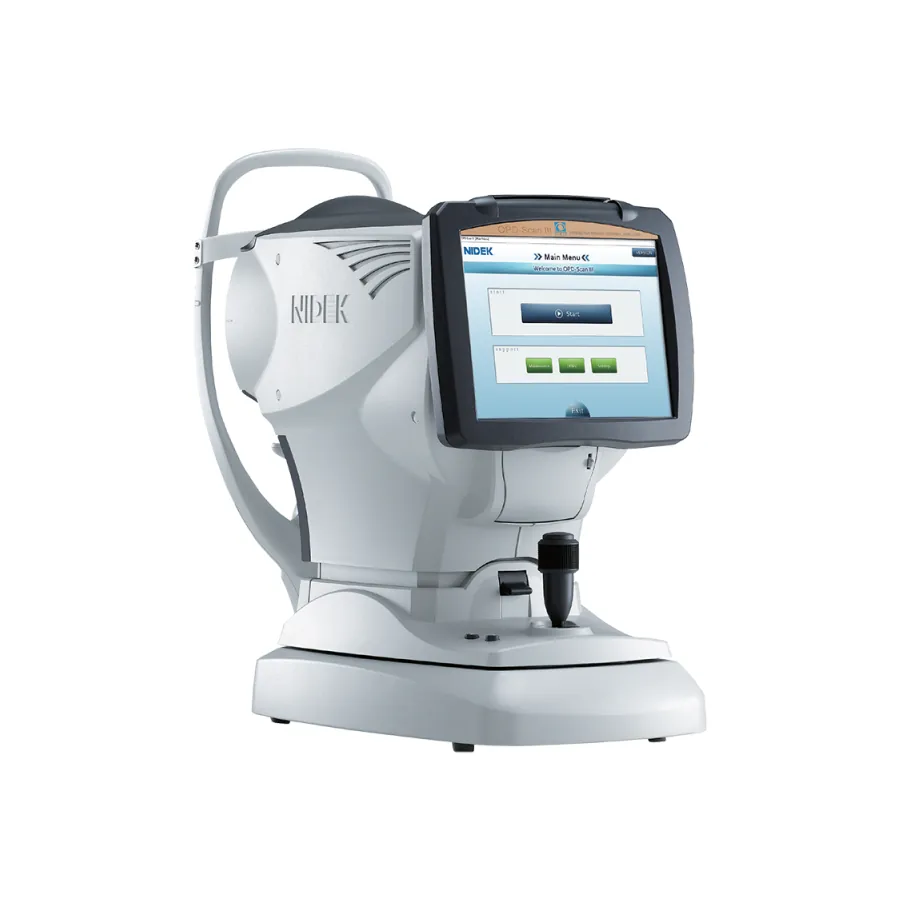
OPD-Scan III Visual System
The same five-in-one measurement, built for the conversation with the patient
The OPD-Scan III Visual System is the same five-in-one instrument with the reporting rebuilt for patient consultation. Results come up on a tablet, iPhone or laptop in four report formats designed to be understood by someone who does not have a clinical background. It talks to the TRS-6100 and TRS-5100, so the maps can also appear on the automated refractor's console screen while the patient is still in the chair.
What it does
- Five-in-one: autorefractor, keratometer, corneal topographer, pupillometer, wavefront aberrometer
- Complete optical system measurement in about 10 seconds per eye
- Four patient-facing report formats on tablet, iPhone or laptop
- Full Placido-ring corneal topography
- Communicates with TRS-6100 and TRS-5100 automated refraction systems
- Report images displayed on the automated refractor's console screen
- Auto alignment, tracking and capture with a 10.4-inch LCD touchscreen
Is it right for your practice?
Best fit
Practices where the constraint is not measurement but explanation - premium IOL conversations, specialty lens fits, and any practice building a consultative optical.
Why consider it
The measurement capability matches the standard OPD-Scan III: the same five-in-one instrument, full Placido-ring topography, about ten seconds an eye. What you are buying with the VS is the reporting layer - four report formats designed to be handed to a patient on a tablet, iPhone or laptop rather than interpreted for them, and the same images can appear on the TRS-6100 or TRS-5100 console while the patient is still in the chair.
What to compare
If the value to you is diagnostic depth for surgical planning, the standard OPD-Scan III is the page to read and the VS reporting is capability you will not use. If it is patient education and case acceptance, this one. And if you are not yet doing the kind of work where either pays - no premium IOL conversations, no specialty lens fitting - an ARK-1 with an OPD upgrade path later is the more proportionate start.
Ask me about
Whether the four report formats suit how your staff run a consultation, and to put the two OPD versions side by side against your specific case mix rather than in the abstract.
Specifications
| Display | 10.4-inch color LCD touch screen |
|---|---|
| Auto Tracking | X-Y-Z directions |
| Printer | Built-in thermal type line printer for data print |
| Interface | RS-232C, LAN: 1 port each, USB: 4 ports |
| Operating System | Windows 10 Embedded |
| Dimensions (HxWxD) | 533x284x525 mm |
| Weight | 23kg |
| Measurement Principle | Automated objective refraction (dynamic skiascopy) |
| Spherical Power Range | 20.00 to +22.00 D |
| Cylindrical Power Range | 0 to ±12.00 D |
| Axis Range | 0 to 180° |
| Measurement Area (Technical Details) | ø2.0 to 9.5 mm (7 zone measurement) |
| Data Point (Technical Details) | 2,520 points (7 x 360) |
| Map Type (Technical Details) | OPD, Internal OPD, PSF, MTF graph, Visual Acuity |
| Measurement Rings | 33 vertical, 39 horizontal |
| Measurement Range (Auto Refractometer) | Sphere -20.00 to +22.00 D, Cylinder 0 to ±12.00 D, Axis 0 to 180° |
| Measureable Point | ø2.6 mm |
| Measurement Area (Auto Refractometer) | ø3.3 mm (R = 7.7 mm) |
| Measurement Diameter | 1.0 to 10.0 mm |
| Image Type | Photopic, Mesopic |
Worth comparing
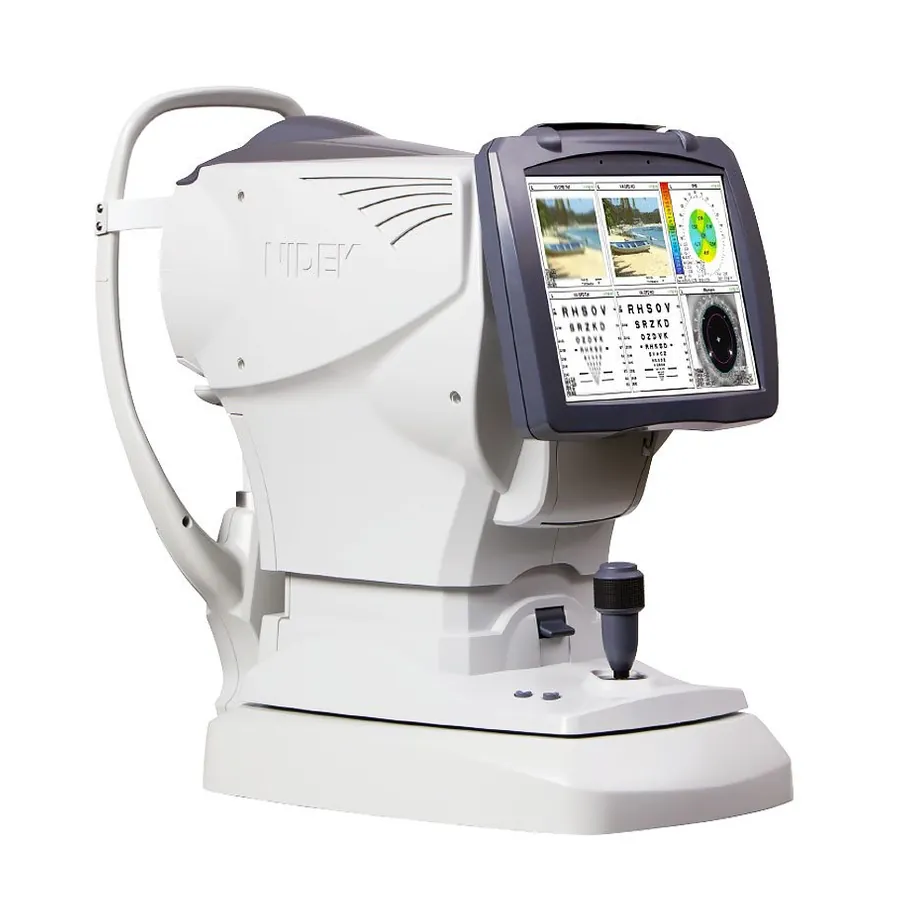
OPD-Scan III Wavefront Aberrometer
Autorefractor, keratometer, pupillometer, corneal topographer and wavefront aberrometer in one instrument, capturing over 20 diagnostic measurements in roughly ten seconds per eye.
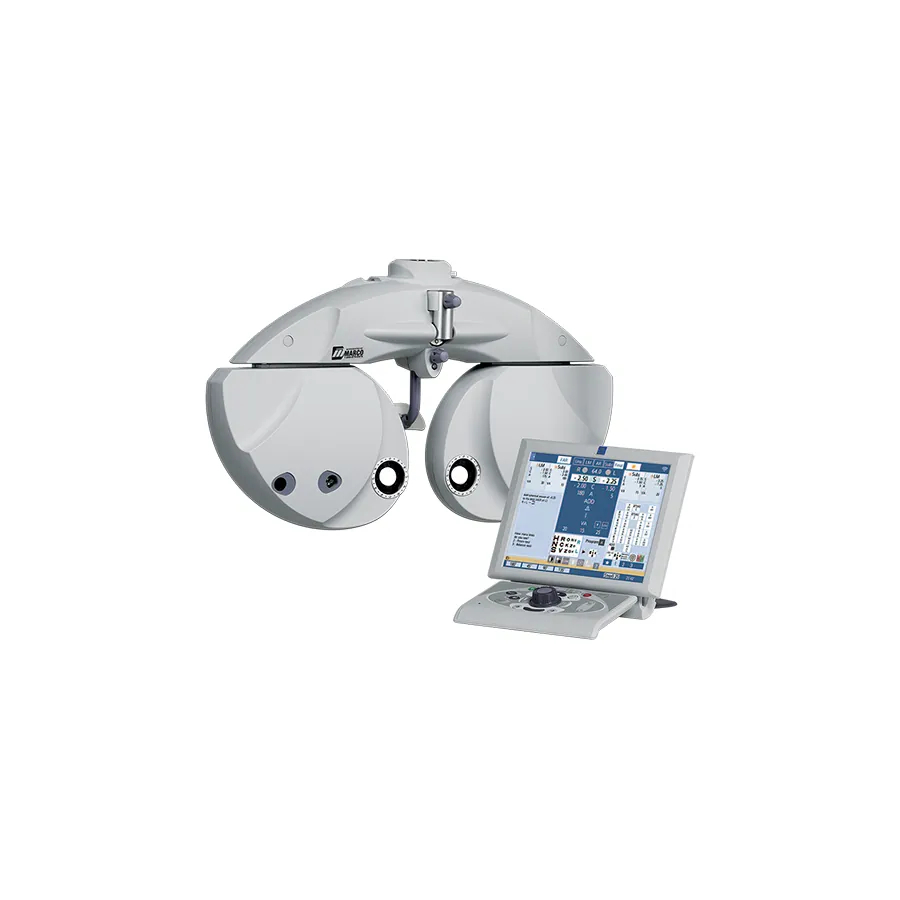
TRS-6100 Digital Refractor
Automated refraction with a remote touchscreen and ergonomic keyboard, operable with one hand. Shows the patient their current and new prescription side by side.
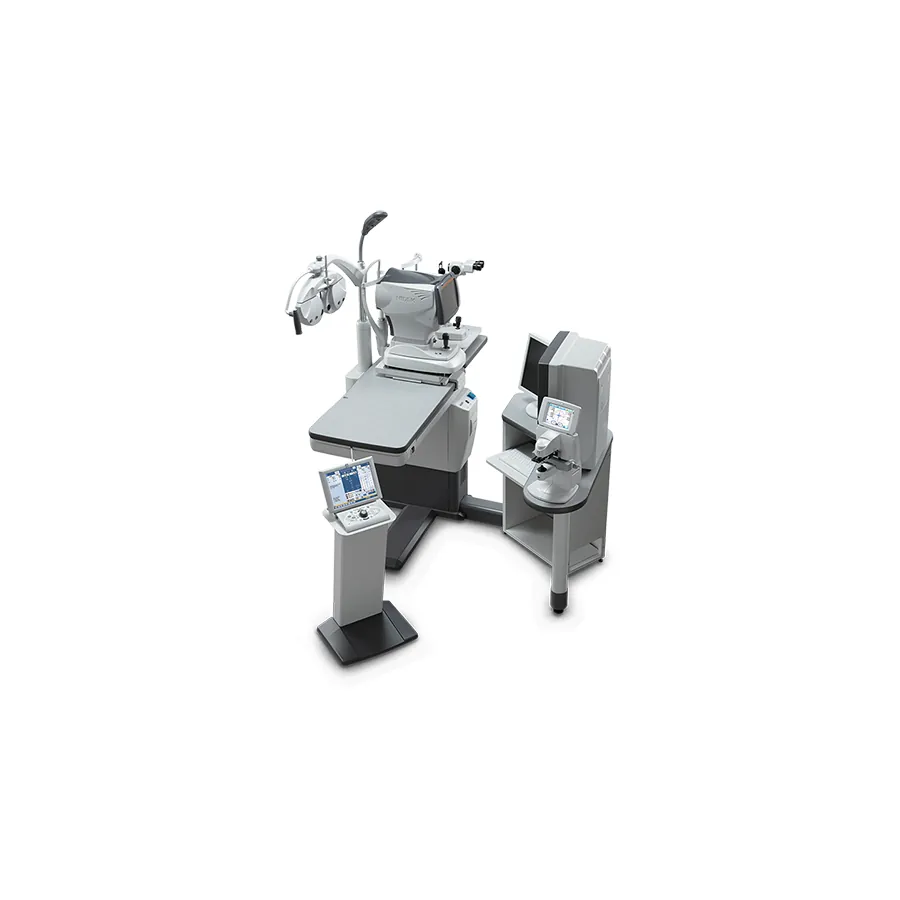
EPIC-6100 Refraction Workstation
Digital refractor, acuity chart, autorefractor/keratometer, OPD and auto lensmeter combined into a 5 by 6 foot workstation, so the patient never moves between devices.
Specifications reviewed: 2026-09-06
Manufacturer source:
Marco: OPD-Scan III Visual System.
Configurations and specifications change. Ask me to confirm before ordering.
Talk it through with me
Tell me how your practice handles this now and what you want it to do, and we can work through the options together. You do not need to have settled on a product first.