
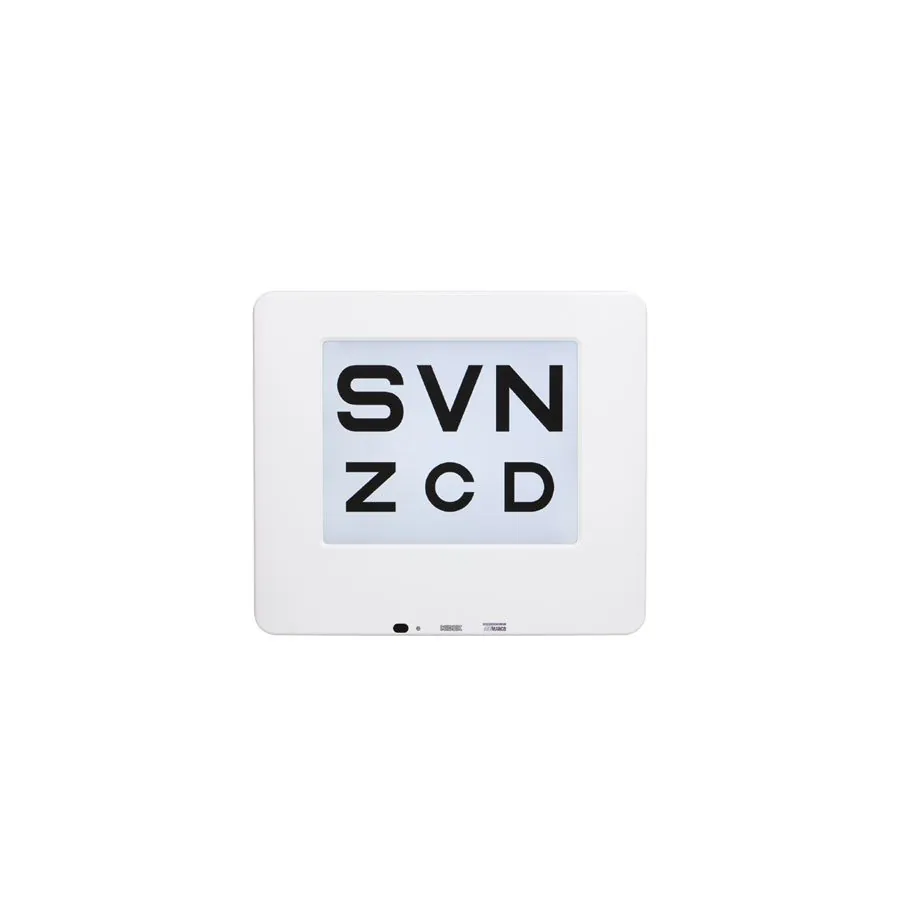
Acuity Systems & Chart Projector
SC-1600, VA-1 and the CP-9 chart projector
Three ways to present acuity. The SC-1600 is a dedicated LCD acuity system with Snellen, ETDRS and stereo testing plus contrast sensitivity at three levels below normal threshold, and a randomization feature so patients cannot memorize the chart. The VA-1 runs on a 24-inch high-resolution LCD with pediatric optotypes, crowding bars and multimedia content. The CP-9 is the chart projector, now LED-illuminated and maintenance free.
What it does
- SC-1600: Snellen, ETDRS and stereo testing for binocular vision examination
- SC-1600: contrast sensitivity at three levels below normal threshold
- SC-1600: randomization to prevent letter and character memorization
- VA-1: 24-inch high-resolution LCD with optimal brightness
- VA-1: letters, E's, numbers, Landolt rings, HOTV and Snellen children's charts
- VA-1: all slides presented with ETDRS spacing, plus crowding bars for pediatric testing
- VA-1: multimedia animations, cartoons and education slides
- CP-9: maintenance-free LED illumination, brighter and more consistent than lamp
- CP-9: instant random access to 33 charts via infrared remote, with masking buttons
Is it right for your practice?
Best fit
New lanes choosing a presentation method, and practices replacing an aging chart projector or a first-generation LCD system.
Why consider it
Randomization is the underrated feature. Patients who come every year learn the chart, and a memorized line is a measurement you cannot trust - the SC-1600 randomizes to stop that, and adds Snellen, ETDRS and stereo testing plus contrast sensitivity at three levels below normal threshold. The VA-1 runs on a 24-inch LCD with children's optotypes, crowding bars and multimedia content that keeps a young patient engaged long enough to finish the test. The CP-9 chart projector is now LED-illuminated and maintenance free.
What to compare
These are three answers to one question, not a good-better-best ladder. The SC-1600 is the one for contrast sensitivity and anti-memorization; the VA-1 is the one for pediatric practices; the CP-9 is not a legacy product but a clean answer for lanes with the geometry for a projector, and it is the least expensive of the three. Pick on what your lane and your patient mix need, not on which is newest.
Ask me about
Your lane geometry and throw distance, and whether contrast sensitivity or pediatric optotypes matter more in your chairs.
Specifications
These are the published figures for the SC 1600. The other models in this family differ; ask me for the specification sheet on the one you are considering.
| Type | 17-inch SXGA LCD with long-lasting backlight |
|---|---|
| Resolution | 1280 x 1024 pixels |
| Chart Window Size | 13.6″ (W) x 10.86″ (H) |
| Brightness | 200 cd/m2 (5 level variable) |
| Charts | Type M, Type UK, Type P, Type T |
| Distance of Installation | 2.5-7m (8'–23′) (in the Mirror mode; 5 to 7mm), 0.5m increments |
| Chart Selection Devices | Remote control or control panel for TRS (RT-5100) refraction system |
| Memory Card | CF card / Built-in card slot |
| Power Supply | AC100 V- 240 V, 50 / 60 Hz |
| Power Consumption | 100 VA |
| Measurements | 20.5″ (W) x 18″ (H) x 1.9″ (D) |
| Mass (Approximate) | 11 lbs. |
| Standard Accessories | Anchor Screws (x4), Mounting |
Worth comparing
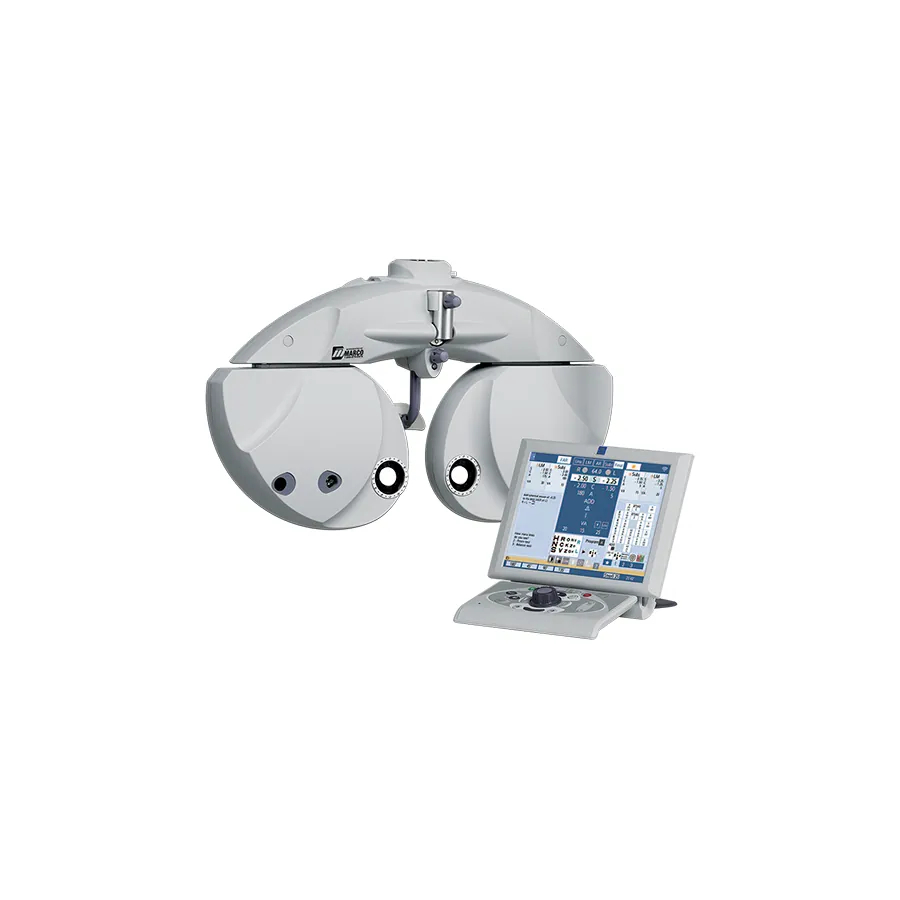
TRS-6100 Digital Refractor
Automated refraction with a remote touchscreen and ergonomic keyboard, operable with one hand. Shows the patient their current and new prescription side by side.
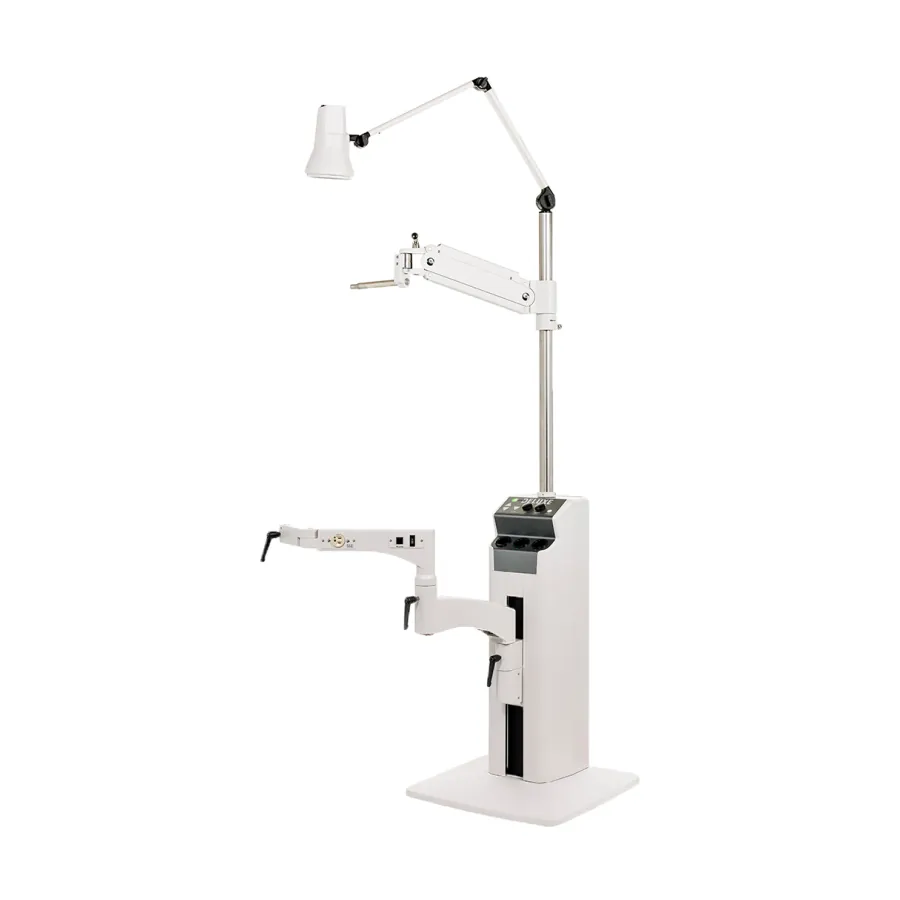
Deluxe 2 & Bravo 2 Instrument Stands
Two instrument stands sharing a 35-year mechanical operating system. Both carry an electronic slit lamp arm release and a chair elevation switch; the Bravo 2's arm travel accommodates wheelchair positioning.
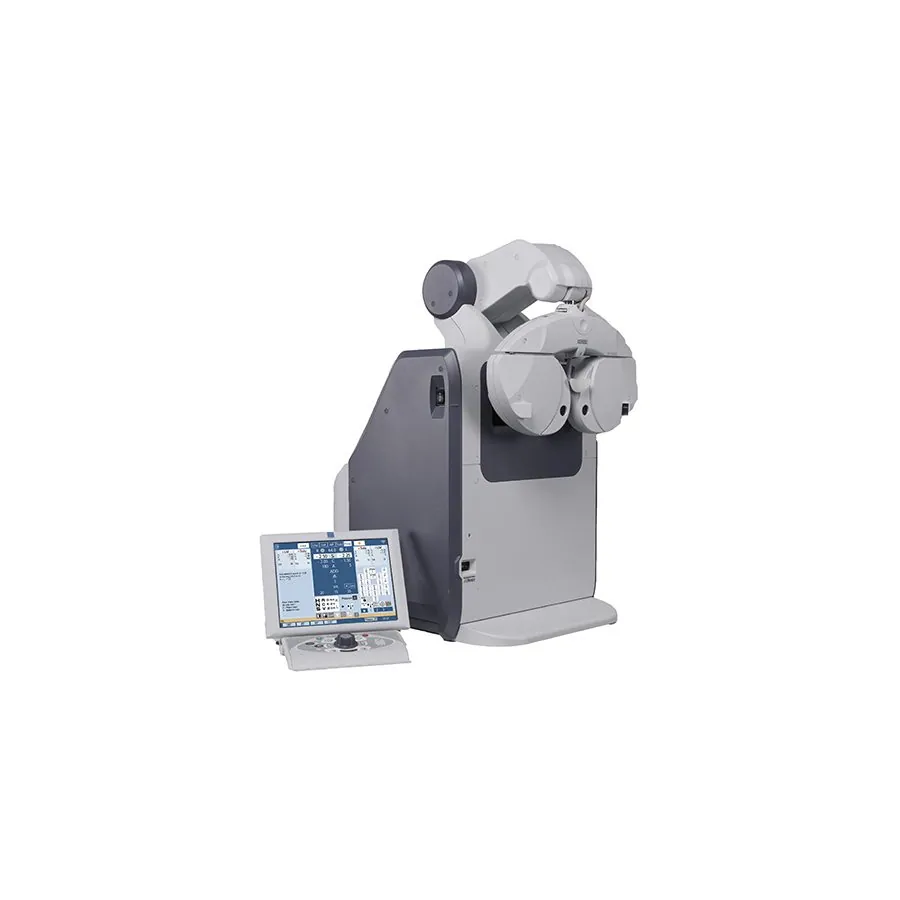
TS-610 Tabletop Refractor & Chart System
Chart and TRS-6100 refractor integrated into one tabletop unit. The FARS configuration adds voice-guided testing the patient runs themselves, with the practitioner completing a final check.
Specifications reviewed: 2026-09-06
Manufacturer source:
Marco: Acuity Systems & Chart Projector.
Configurations and specifications change. Ask me to confirm before ordering.
Talk it through with me
Tell me how your practice handles this now and what you want it to do, and we can work through the options together. You do not need to have settled on a product first.